Startup Funding Archives - FundFindrs

From Proposal to Funding: How a Grant Writing Consultant Can Support Your Business

A simplified guide to the grant application process and the role of a grant writing consultant

Applying for grants can be a challenging task for business owners. If you’ve written a grant application (or attempted to), you know how hard and tedious it can become. However, many people are still unaware of what a grant consultant does.


When someone lures you in with the promise of free funding for your organisation, it sounds appealing (and it’s often true!), but reaching that point involves several steps. These steps require a substantial investment of time, resources, and know-how.


Many businesses have given up on their grant applications because the process is so time-consuming. That’s where grant consultants and writers can add value and help propel your business forward.


Grant writing specialists make the process easier by assisting businesses throughout the entire application journey. They offer crucial insights, direction, experience and expertise to improve the chances of a successful outcome.


What Does a Grant Writing Consultant Do?

Whether you decide to hire your own employee or contact a fund finding agency, grant specialist services include everything from researching grant opportunities, to writing and submitting applications for your business and guiding you through compliance requirements.


Often, when engaging an external consultant, the agreement typically covers all aspects of the process, including preparation, research, writing, and application.


At first, it might appear that the tasks are simple and easy to manage yourself. However, within these tasks there are multiple smaller steps such as participating in debriefs with foundations on funding guidelines or rejected proposals and researching through a database that lists thousands of possible funding opportunities and selecting the ones that are best for you.
 

What-Does-a-Grant-Consultant-Do-Comprehensive-Guide-by-FundFindrs-quote


Here is a basic blueprint of how a grant writing agency supports businesses through the process of finding suitable fundings:


1 – Investigating Relevant Grants for Your Business

It all begins with pinpointing grants that match your business objectives and aligns with your planned programs and initiatives. It’s crucial to comprehend the eligibility criteria, submission deadlines, and specific prerequisites for each grant opportunity.

This first step helps ensure that the applied efforts are directed towards the most appropriate funding sources with the best chance for success.


2 – Collecting All Necessary Documentation

Before starting the application process, the grants specialist will orient you on the necessary steps and gather all required documents. These may include business registration details, financial statements, tax returns, and business plans.

Additionally, they will collect strategic documents, proof of eligibility such as industry certifications or licenses, and any other documentation required by the grant guidelines. This ensures that all the requirements are thoroughly covered.


3 – Help Organising Financial Statements

Providing clear and detailed financial statements, such as profit and loss statements, balance sheets, and cash flow statements, is mandatory.

A focused grant consultant can guide your business in demonstrating strong financial health, which enhances your credibility and strengthens your application.


4 – Formulating a Detailed Business Plan

An expert grant services company can also assist you in developing a comprehensive business plan that outlines your company’s goals, strategies, and the specific project or initiative for which you need funding.

Tailored support can help you clearly describe how the grant will contribute to your business’s growth, innovation, or sustainability and also how it will impact the broader community or economy. A grant consultant can even support you with the design of projects to target specific grant programs.


5 – Drafting an In-Depth Project Proposal

Most grants require a project proposal, and a grant consultant can assist you in preparing a thorough and well-organised document. This document should include project objectives and goals, methodology and approach, timeline and key milestones, a detailed budget highlighting the use of grant funds, and measurable outcomes and anticipated impact.


6 – Making Sure you Meet the Eligibility Requirements

Carefully examining and addressing each eligibility requirement specified in the grant guidelines is part of a grant writer’s role. Clearly illustrating how your business meets these criteria is crucial, as overlooking any requirement could lead to your application being rejected. Having specialist support increases your chances of success.


7 – Developing a Compelling Story

Why should your business be selected over your competitor to win a grant? Crafting a compelling narrative that uses clear and concise language to tell your business’s story, highlighting its unique features and contributions, is fundamental.

A specialist writer has the expertise to create a proposal that clearly expresses the necessity for funding and the positive impact it will have on your business and the wider community.

Navigating the grant application process can be complex and time-consuming. Investing in grant consultants is a strategic decision that can yield significant returns for your business. By leveraging their expertise, insights, and networks, you gain a competitive edge in securing grants.

Grant companies can manage your federal, state, local government grant application as well as community or foundation grant applications, ensuring they are thorough yet concise to meet the highly competitive nature of the process, allowing you to concentrate on running and expanding your business.


How to Choose a Grant Writing Consultant

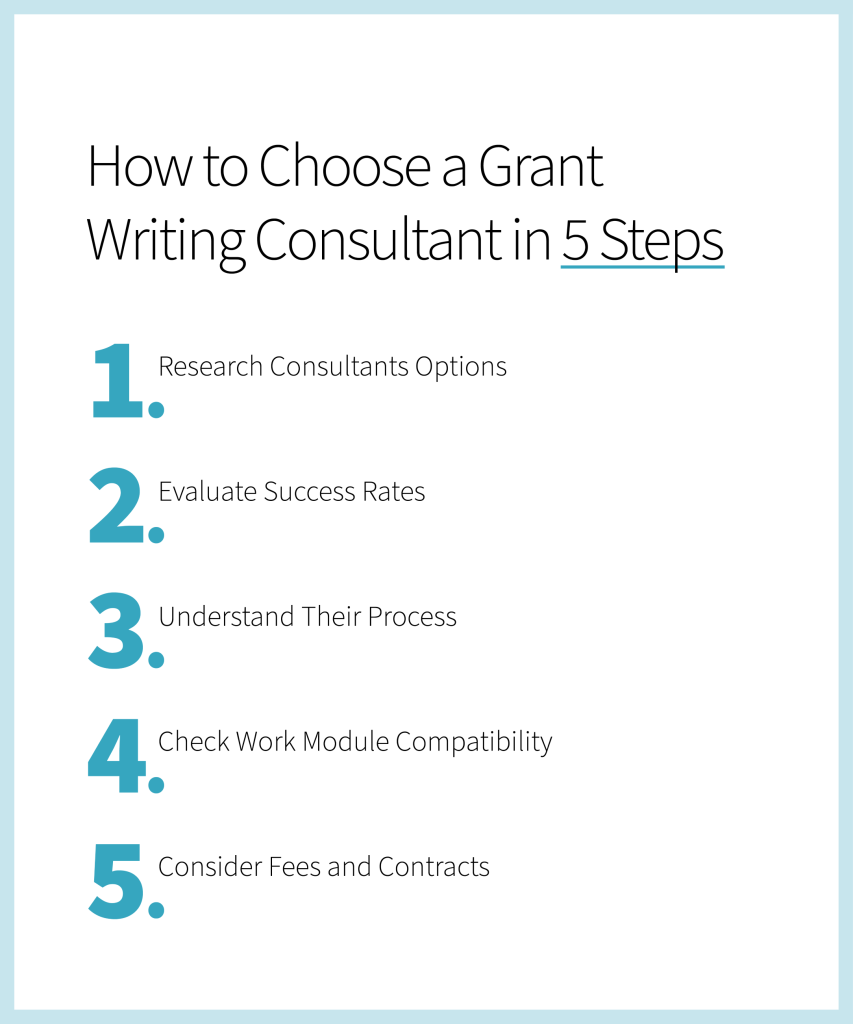
Choosing a grant writing consultant is crucial for securing funding for your project. Here’s a 5-steps streamlined approach to help you to make the best choice while searching for an expert support:


  1. Research Consultants: Look for experienced consultants with relevant qualifications and positive client testimonials.
  2. Evaluate Success Rates: Inquire about their track record in securing similar grants and the total funding they have obtained.
  3. Understand Their Process: Discuss their approach to gathering information, developing proposals, and ensuring timely submission.
  4. Check Compatibility: Ensure their communication style aligns with your expectations and that they understand your project.
  5. Consider Fees and Contracts: Understand their fee structure and review contract terms for clarity on deliverables and payment.
 

how-to-choose-a-Grant-Consultant-FundFindrs


Compare the options based on these criteria and choose the one you feel most confident in before making your decision.


How FundFindrs Can Streamline Applications and Save Time for Your Business

At FundFindrs, we simplify the grant application process into three manageable steps.


Step 1 | Tailored Consultation

We start by meeting with you to understand your business operations, goals, and aspirations. This allows us to create a bespoke proposal that aligns with your objectives.


Step 2 | Expert Application Management

Our experienced team takes charge of gathering the necessary documentation and crafting your application meticulously. We provide guidance on financial documentation and collaborate closely with you at every step.


Step 3 | Seamless Grant Approval

Upon successful approval, you receive your grant funding directly, with our support throughout the entire journey.


The FundFindrs edge includes a no-win, no-fee model on selected applications, saving you time by managing every aspect of the application. Our specialists in R&D Tax Incentives help you secure up to 43.% of your R&D expenses, and we partner closely with clients for long-term growth, managing all grants and awards applications.

Contact our team today to book a free consultation and discover how we can help your business secure the funding it needs.

 

Book your FREE 30 minute starter chat with us

How to Maximise Grant Opportunities for Your Business

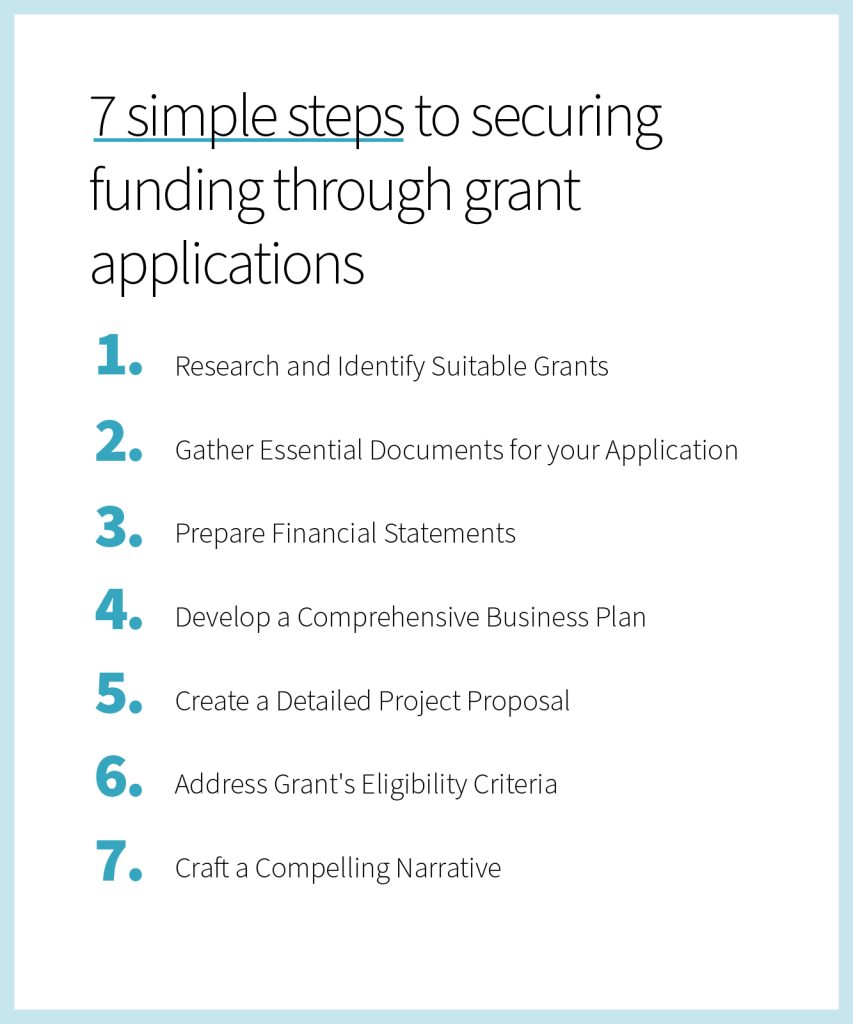
Seven Simple Steps to Securing Funding Through Grant Applications.


Navigating the world of grant applications can be challenging, particularly for small and medium-sized businesses that may feel overshadowed by larger competitors. However, securing grant funding can be a vital strategy for growth and innovation especially for companies in industries such as biotech, pharmacy, food and beverage, technology and manufacturing.


Grants not only provide financial resources but also help companies invest in research, innovation, expand their market reach, and enhance their operational capabilities.


In this guide, we’ll outline seven simple steps for applying for grants effectively and explain how FundFindrs can support you throughout the process.


Why Grants matter

You might be asking yourself, “Why are grants so important for my business?”


Grants act as a vital financial resource for companies, allowing them to fund projects that propel growth and improve competitiveness. Unlike loans, grants don’t need to be repaid, making them an attractive option for investing in areas like research and development or exporting initiatives. For example, a grant could provide the necessary capital to develop innovative products or services that meet emerging market demands.


By recognising and utilising these funding opportunities, businesses can not only enhance their operational capabilities but also position themselves for greater success in an increasingly competitive landscape.


To help you tap into these opportunities, we’ve outlined a step-by-step approach to navigating the grant application process.


  1. Step 1 | Research and identify suitable grants
  2. Step 2 | Gather essential documents
  3. Step 3 | Prepare financial statements
  4. Step 4 | Develop a comprehensive business plan
  5. Step 5 | Create a detailed project proposal
  6. Step 6 | Address eligibility criteria
  7. Step 7 | Craft a compelling narrative


Step 1 | Research and identify suitable grants

You can start by identifying grants that align with your business objectives. It involves understanding both your specific needs and the available funding options.


Start by asking yourself:

  • What are my business goals, and how can grant funding help achieve them?
  • Which projects or initiatives do I want to fund?
  • What eligibility criteria do I meet for potential grants?
  • Am I able to follow all requirements and application deadlines?


Consider exploring the following sources to find relevant grants:

  • Government websites: The Australian Government’s grants portal and your state or territory’s business funding resources are great starting points.
  • Industry associations: Many industry-specific associations offer information on grants tailored to your sector.
  • GrantFindrs Portal: If you are a FundFindrs member, you have access to Australia’s largest grants database, with 9,000 sources of grants that are updated daily. Just ask your Account Manager for information on how to access it.


There are numerous grants available, and you can use these resources to create a tailored shortlist that aligns best with your business objectives.


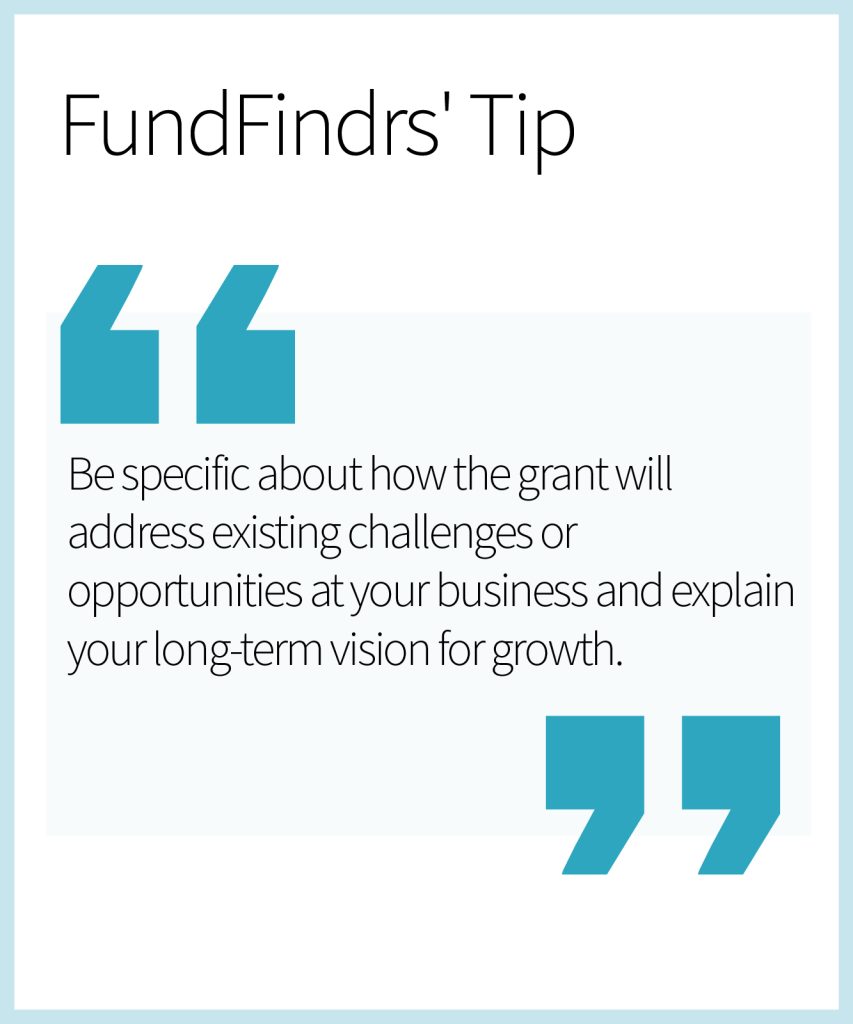
Step 2 | Gather essential documents

Preparing the necessary documentation is a critical part of the grant application process.


Commonly required documents include:

  • Business registration details
  • Financial statements: including profit and loss statements, balance sheets, and cash flow statements.
  • Tax returns
  • Proof of eligibility: such as industry certifications or licenses.


Ensure that your documents are well-organised and clearly presented. Use headings, bullet points, and concise language to enhance readability. For easy access when completing your application, consider compiling these documents in a digital folder, create a process to review and update it always as needed.


Step 3 | Prepare financial statements


Your financial statements are a snapshot of your business’s health and should include:

  • Profit and loss statements: Highlight revenues, expenses, and net income over a specified period.
  • Cash flow statements: Provide insight into the cash coming in and going out of your business, which is crucial for assessing liquidity.
  • Balance sheets: Show your business’ assets, liabilities, and equity at a specific point in time.


Consider consulting with a specialised team, such as the FundFindrs experts, to ensure these statements are accurate and presented professionally. Well-prepared financial statements not only establish credibility but also demonstrate your business’s viability to grant reviewers.


Step 4 | Develop a comprehensive business plan

A robust business plan is essential for grant applications. Your plan should include:

  • Executive summary: A concise overview of your business and its objectives.
  • Business description: An outline of your industry, target market, and competitive landscape.
  • Goals and objectives: Clear, measurable objectives that the grant funding will help you achieve.
  • Project description: Detailed information about the project for which you’re seeking funding, including its relevance and expected outcomes.


FundFindrs Funding Chances for Startups


Step 5 | Create a detailed project proposal

A project proposal for grants application should cover the following key elements:

  • Project objectives: Clearly define what you aim to achieve.
  • Methodology and approach: Outline the steps you’ll take to implement the project, including timelines.
  • Budget breakdown: Provide a detailed account of how grant funds will be allocated, including direct costs and indirect expenses.
  • Timeline and milestones: Set clear deadlines for each phase of the project and describe how you will measure success.


This structured approach demonstrates your project’s feasibility and aligns with the expectations of grant reviewers.


Step 6 | Address eligibility criteria

Each grant has specific eligibility criteria that must be met. Familiarise yourself with these requirements to avoid disqualification.


For example:

  • R&D Tax Incentive (R&DTI): Eligible entities must be incorporated in Australia, meeting the spending threshold and conduct eligible R&D activities.
  • MVP Ventures: This grant targets NSW startups seeking to commercialise innovative products, requiring a clear path to market and potential for growth.


By ensuring your business meets the required criteria, you enhance your application’s chances of success.


Step 7 | Craft a compelling narrative

When writing your grant application, tell a compelling story that engages the reviewers. Consider the following questions to guide your narrative:

  • What inspired the idea for this project?
  • How will this funding impact your business and community?
  • What are the potential outcomes and benefits of the project?
  • Why is your business uniquely positioned to achieve these objectives?


A strong narrative not only outlines your project’s merits but also highlights your business’s vision and commitment to making a positive impact.


Seven Steps to maximise grant opportunities for business


How FundFindrs can help your business

At FundFindrs, we specialise in simplifying the grant application process for businesses.


Our experienced consultants guide you through each step, from identifying suitable grants to crafting compelling proposals. We help you streamline documentation, ensure compliance with eligibility criteria, offering valuable insights, guidance, and expertise to enhance your chances of success.


Are you ready to navigate the grant landscape with confidence and secure the funding needed to fuel your growth? Book a FREE consultation with our experts.


5 Benefits of Lodging Your R&DTI Claim Right Now


Last reviewed: July 17, 2026


Every year, thousands of Australian businesses benefit from the R&D Tax Incentive (R&DTI) — a government program offering up to 43.5% in tax offsets for eligible research and development activities. But many wait until the last minute to lodge their claim, which can slow cashflow, increase stress, and complicate tax lodgements.  

Whether you’ve claimed before or are exploring the R&DTI for the first time, FundFindrs is here to support you through the process, making it straightforward, simple and rewarding.

Early lodgement is the smart move and here are five reasons why.


  1. Access cash sooner  
  2. It’s easier to recall recent work
  3. Make all your lodgements seamless
  4. Avoid the seasonal bottlenecks 
  5. It gives you time to focus on your business
  6. FundFindrs makes it easy for everyone 


Key takeaways 


  • Early lodgement can improve cashflow, helping businesses access their R&D Tax Incentive refund sooner.
  • Claiming while activities are still recent makes it easier to capture accurate project details and supporting evidence.
  • Getting started early reduces administrative burden, helping avoid amendments and last-minute tax return adjustments.
  • Avoid seasonal bottlenecks caused by holiday periods and peak R&D Tax Incentive lodgement volumes.
  • Earlier access to funding may be possible through specialist lending solutions linked to expected R&D Tax Incentive refunds.
  • Taking action sooner provides greater certainty, allowing business owners to focus on growth rather than compliance deadlines.


1. Access cash sooner  

The sooner you lodge, the sooner you access your refund. That’s real money you can reinvest into your business, whether it’s hiring staff, launching a new product, or strengthening your financial position. For businesses new to the R&DTI, this can be a powerful funding boost to fuel innovation and growth. 


2. It’s easier to recall recent work

Your R&D activities for FY25 took place between 1 July 2024 and 30 June 2025. If you wait until the April 2026 deadline, that means you’ll be looking back nearly two years. Preparing now means the details are fresh, making it easier to gather accurate information and reducing the risk of missed or incomplete documentation. 


3. Make all your lodgements seamless

Your R&DTI Schedule and Company Tax Return (CTR) are separate but closely linked. Preparing your R&DTI claim early helps you or your accountant lodge your CTR with the correct R&D figures from the start. That means fewer amendments, less rework, and a smoother process for everyone involved. Even if you aren’t ready to submit your CTR yet, there are options available so you can still get the funding now.

We have partners who offer R&D loans, which are advances on your R&DTI refund, meaning you don’t have to wait until after you lodge your company tax return; you can access your refund and reinvest earlier. 


Looking for faster access to your R&D refund?

We work with specialist partners who can help you unlock your funds early


4. Avoid the seasonal bottlenecks 

There are two busy periods which can slow things down:

  • December/January means summertime, when some of your key staff may be on leave. 
  • March/April is when AusIndustry experiences peak R&DTI claim volumes because people didn’t get their claims in sooner.


5. It gives you time to focus on your business

Submitting your claim early gives you peace of mind, freeing up headspace to focus on your business. Instead of scrambling at the last minute, you’ll have confidence knowing your R&DTI refund is on its way — freeing up time and energy to focus on this year’s growth. 


Research and Development in the manufacturing sector.


6. FundFindrs makes it easy for everyone 

Whether you’ve claimed the R&DTI in the past, or you’re applying for the first time, FundFindrs supports you every step of the way to simplify what can often feel complex.

Our specialists work with you throughout the year to:  

  1. Identify and define eligible R&D activities with precision and clarity.  
  2. Strengthen documentation and evidence to support compliance.  
  3. Review previous claims for missed or under-claimed opportunities.  
  4. Provide guidance on structuring future projects for long-term benefit.  

This proactive, year-round partnership ensures your R&D claims are accurate, defensible, and optimised for value.


Let’s get your R&DTI started now 

 If you’re ready to get your refund sooner and make next year’s claim easier, our team can help you start today. Click here to book a FREE consultation.